
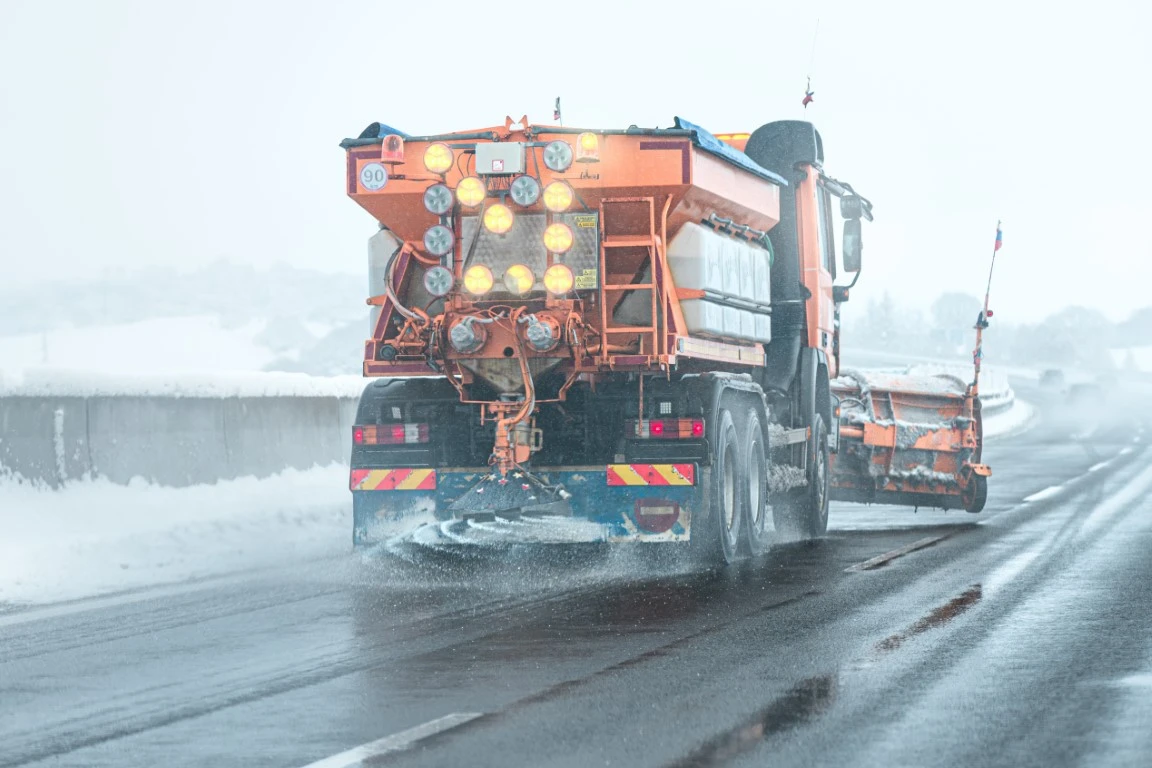
If you’ve ever lived in a place that experiences heavy snowfall throughout the winter, you know how crucial road salt is to every road traveler’s safety. But, in places like Utah, salt isn’t the only deicing tool used. The state also utilizes liquid brine to further reduce the risk of exposure to icy, snowy patches. While this is critical to improving safety, there are some drawbacks.
One of the biggest drawbacks for homeowners is the damage it can do to unsealed concrete surfaces on their properties. Although your concrete is durable, it certainly can’t withstand all activity and exposure to abrasive materials, chemicals, and other agents. But why is road salt and liquid brine so hard on your concrete, and what can you do about it?
In this blog, we’ll explain why Utah utilizes this snow melting method, how it impacts your concrete floors, and why Polyaspartic coatings may be your ideal solution.
Why Utah Uses Road Salt and Liquid Brine to Keep Winter Roads Safe
While the use of road salt as a snow removal method is common, the use of liquid brine is less common. So, why does Utah use both to remove snow and ice from its roadways? To understand this decision, it is important to first understand what liquid brine is. Liquid brine is a high-concentration solution of salt dissolved in water.
Road salt does not melt ice until it mixes with moisture, whereas the use of liquid brine and salt together can address ice before and after its appearance. Ultimately, this salt and liquid brine is used to lower the freezing point of water while preventing snow from bonding with the pavement. This results in:
- Easier Snow and Ice Removal: With salt and liquid brine in use, snow remains loose and slushy, allowing for easier plowing.
- Safer Driving Conditions: When you pretreat roads with salt, you also prevent the formation of black ice and potential skidding.
- Lower Cost for Snow Removal: When you spray liquid brine before a storm, you can rely on less rock salt during and after the storm.
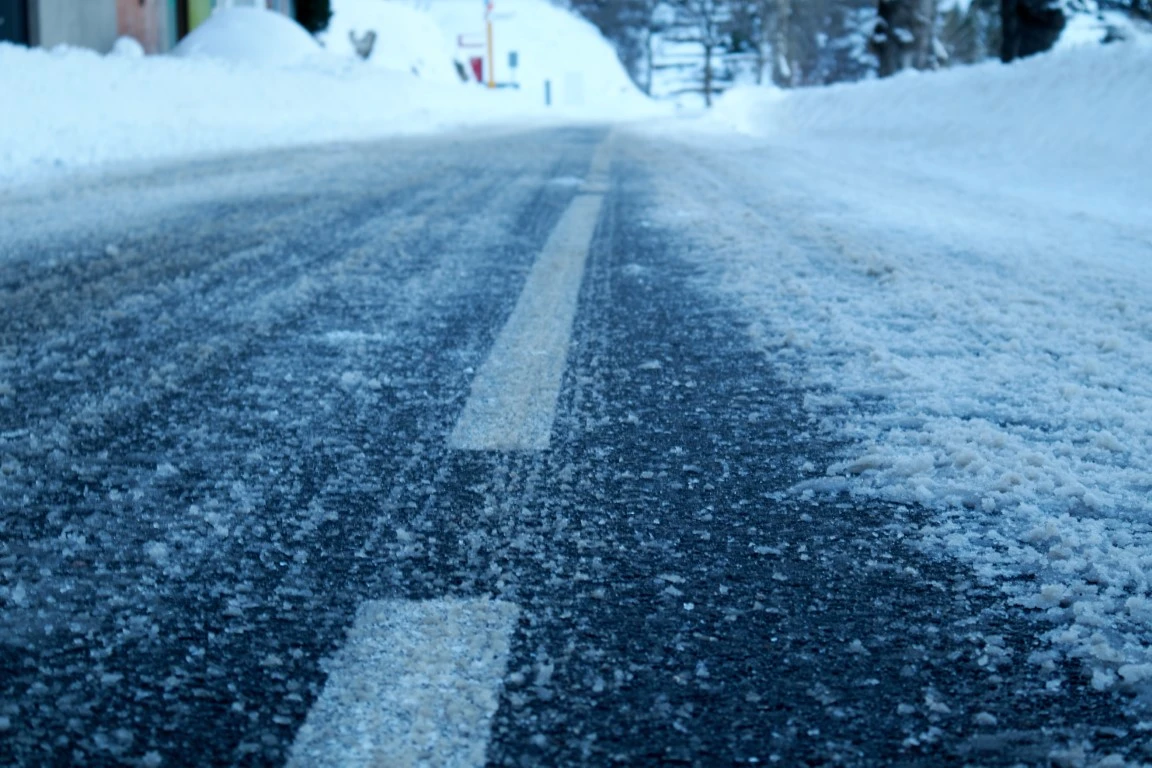
How Road Salt and Brine Can Break Down Unsealed Concrete Floors
Although road salt and liquid brine are crucial for melting snow and ice on roadways, it is incredibly harsh on your unsealed concrete floors. But why might this be? Concrete is an incredibly porous material, generally absorbing anything it comes into contact with. That’s where your problems begin.
Whether you use your garage as a parking spot or entryway to your home, these floors are often exposed to salt and brine throughout the winter through your shoes and tires. When slush and liquid brine drop onto the floor, it seeps into the pores of your floor. Over time, this moisture can freeze and thaw, resulting in concrete expansion and major cracking.
Beyond this, road salts react with the calcium hydroxide in your concrete, forming expansive crystals that worsen existing cracks. Finally, road salt leaves hygroscopic crystals that actively attract and hold more moisture. Over time, this becomes a compounding problem that can be incredibly difficult to address without professional support.
The Damage Winter Deicing Chemicals Can Cause to Your Floors
Major cracking isn’t the only damage you’ll encounter when your floors are exposed to road salt and liquid brine. In fact, there are several other unsightly, structural problems that you may encounter, including:
- Etching and Pitting: As a result of exposure to the abrasive snow removal products, your floors may look duller, worn down, and have a pitted, rough surface.
- Spalling: In addition to cracks and pitting, you may notice pieces of the concrete surface flaking, chipping, and breaking away as damage progresses.
- Structural Degradation: When the salt and brine is absorbed into the floors, it can also damage the underlying rebar, overall weakening the structure.
- Salt Staining: Beyond physical damage that poses a safety risk, there is also a chance that you’ll experience permanent salt staining to the surface.
Although the damage may just seem like a superficial problem, you can also trust that there are far more problems brewing beneath the surface. As soon as this damage appears, it is important that you reach out to your trusted floor coating team for support.

Why Polyaspartic Coatings Create a Protective Barrier
If you want to protect your concrete floors against road salt and liquid brine damage, it’s essential that you choose an adequate floor coating solution. While epoxy is a modern, sleek, and reliable floor coating solution, Polyaspartic is always your best option. This modern coating solution is much more durable than anything else on the market.
Unlike epoxy, Polyaspartic floor coatings are designed to cure in 24 hours, allowing you to restore your floors and return to regular use of the space quickly. It is also available in a variety of colors, making it perfect for any aesthetic. Add in non-slip flakes and you can trust that it’s safe to navigate across, even after inclement weather.
However, it is important to understand that this floor coating solution isn’t to be used for your driveway. Instead, it is a good option for your garage, patio, or porch. If you are trying to protect any of these spaces from continual damage as a result or road salt and liquid brine, it’s time to schedule a consultation with your trusted floor coating team.
Is Polyaspartic the Right Solution for Protecting Your Utah Garage Floor?
For Utah homeowners, a garage floor takes on plenty of abuse throughout the year, but winter can be especially tough. Between wet vehicles, muddy shoes, road salt, and liquid brine, your concrete floor can become difficult to keep clean and maintain. If you want to protect your garage before these problems become noticeable, a Polyaspartic coating is worth considering.
Polyaspartic coatings provide a seamless, protective surface that helps keep moisture and winter debris from reaching the porous concrete underneath. Instead of allowing every spill, drip, and salty puddle to soak into the floor, the coating creates an added layer of protection that is much easier to clean.
It can also give your garage a finished appearance that makes the space feel more like an extension of your home rather than a purely functional area. With decorative flakes and customizable options, you can create a floor that combines protection with a polished look.For homeowners preparing for another snowy season, Polyaspartic can be a practical way to give your garage floor an extra layer of defense.

Protect Your Floors with Help From Solid Garage Floor Coatings
Damage to your concrete floors isn’t just unsightly; it poses a major risk to your safety. But, with a professionally installed Polyaspartic floor coating, you can avoid this major winter weather damage. If you’re looking for a reliable floor coating team in the Northern Utah area, it’s time to turn to our team at Solid Garage Floor Coatings of Utah for support.
Our team can help you address minor damage and will install the floor coating to help you avoid repeat damage problems. Whether you’ve dealt with winter weather damage as a result of road salt and liquid brine or just installed a new concrete slab that you’d like to protect from the start, we’re the ideal partner for every project.
When you’re ready to invest in a Polyaspartic floor coating for your Northern Utah home or business, contact our experts to schedule a free consultation.